
Load cells


Reliable Load Cells for Industrial Weighing Systems
Load cells are the core sensing components of industrial weighing systems, converting applied force into precise electrical signals for accurate weight measurement. Himatrix Arabia supplies column, shear beam, double-ended shear beam, compression, tension, single point and canister load cells for platform scales, weighbridges, tanks, hoppers and process weighing systems used across industrial facilities in Saudi Arabia and the wider GCC.
Available in different types, capacities and construction materials, our load cells support both new installations and replacement or retrofit projects, helping industrial and process facilities maintain accurate, dependable weighing performance over the long term.
Understanding Different Load Cell Types
Selecting the correct load cell begins with understanding how each type is designed to handle specific loads, capacities and installation requirements. The table below includes column and double-ended shear beam designs, which are widely used in weighbridge and heavy-duty construction, alongside Himatrix Arabia's existing load-cell range.
| Load Cell Type | Typical Application | Load Direction | Key Characteristics |
|---|---|---|---|
| Column | Weighbridges, large-capacity silos and tanks | Compression | Self-centring spherical base allows the load to oscillate within set limits and return to position under heavy, off-centre loads |
| Shear Beam | Platform scales, floor scales, hoppers | Compression | Force applied at a defined point on the beam; suited to single or multi-cell installations |
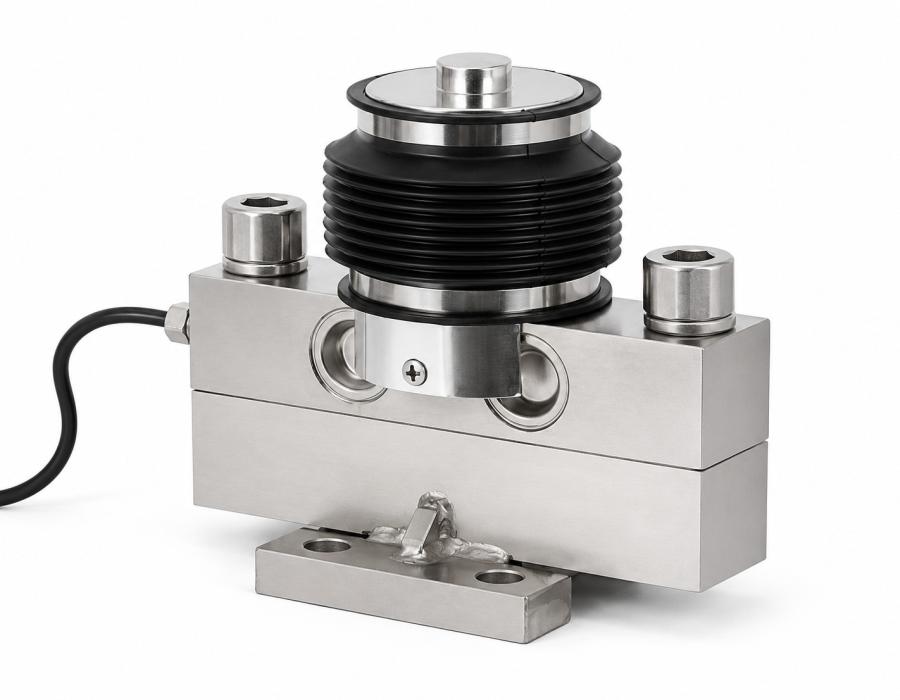
| Double-Ended Shear Beam | Weighbridges, large hoppers and silos | Compression | Higher-capacity beam design supported at both ends for stability under heavy static and dynamic loads |
| Compression | Tanks, silos, weighbridges, heavy-duty vessels | Compression | Withstands high static loads applied vertically downward |
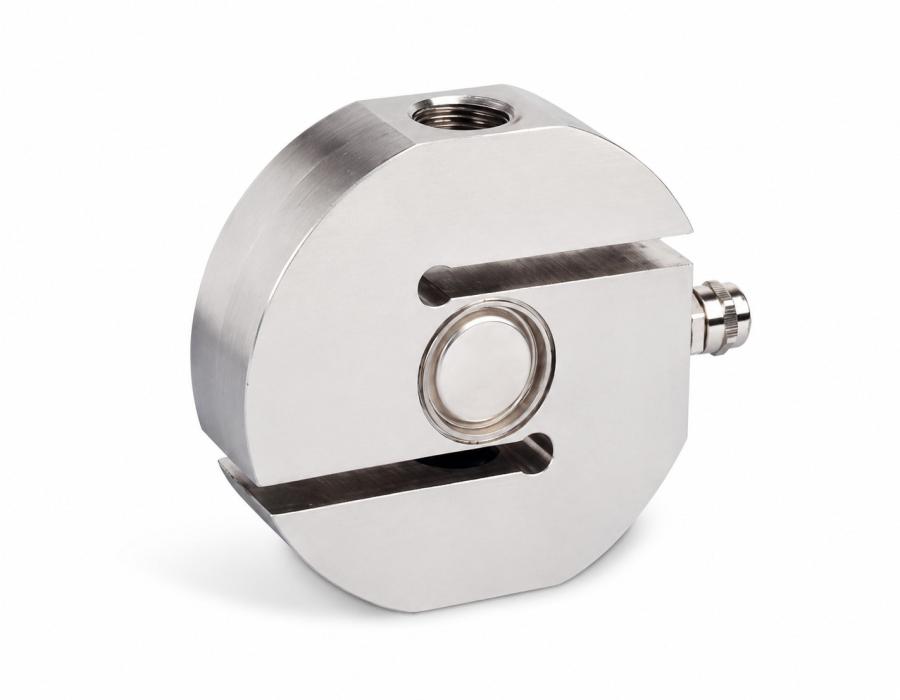
| Tension / S-Type | Hanging scales, suspended hoppers, force measurement | Tension | Measures suspended or pulling loads; compact design for confined mounting spaces |
| Single Point | Bench scales, compact weighing platforms | Compression (off-centre) | Accepts load applied anywhere on the platform without precise centring |
| Canister | High-capacity industrial weighing systems | Compression | Rugged, sealed construction suited to demanding industrial environments |
Load Cell Specifications at a Glance
Exact specifications vary between load cell series and are confirmed at enquiry stage. Depending on the model or series, Himatrix Arabia's load cell range typically includes the following characteristics:
| Load Cell Type | Typical Capacity Range | Material / Construction | Accuracy Class | Protection Rating | Signal Type |
|---|---|---|---|---|---|
| Column | Up to approx. 30–50 t per cell (model dependent) | Alloy or stainless steel | OIML R60, C3–C4 (model dependent) | Up to IP68 | Analogue or digital |
| Double-Ended Shear Beam | Up to approx. 25–30 t per cell (model dependent) | Nickel-plated or stainless steel | OIML R60, C3–C4 (model dependent) | Up to IP68 | Analogue |
| Shear Beam / Compression | Selected models across a range of capacities | Alloy or stainless steel | OIML R60 (selected models) | IP65–IP68 (model dependent) | Analogue or digital |
| Tension, Single Point, Canister | Selected models across a range of capacities | Alloy or stainless steel | Model dependent | Model dependent | Analogue |
Selected models are also available with ATEX/hazardous-area certification for use in classified industrial zones. Please confirm exact capacity, accuracy and certification requirements at enquiry stage.
Load Cells for Weighbridges
Weighbridges place some of the highest demands on load cells, since they must handle large, often off-centre vehicle loads while continuing to deliver accurate, repeatable readings over years of outdoor use.
Column load cells are widely used in weighbridge construction because their self-centring spherical base allows the load to oscillate within set limits and consistently return to its original position, which supports long-term accuracy under heavy-duty conditions. Double-ended shear beam load cells are also used in suitable weighbridge and large-hopper configurations, offering a high-capacity alternative supported at both ends.
Because weighbridges typically operate outdoors and in exposed environments, protection rating and cable quality are important selection factors: load cells with high IP protection and armoured, rodent-resistant cabling are better suited to withstand moisture, dust and pest exposure over time. Correct mounting and alignment, using load-cell-specific mounting kits, also has a direct effect on measurement stability and cell lifespan.
When replacing load cells on an existing weighbridge or specifying cells for a new one, compatibility with the platform structure, junction boxes and weighing indicator is essential. Himatrix Arabia supplies load cells for new weighbridge systems as well as for retrofit and replacement projects.
Digital and Analogue Load Cell Options
Load cells are available in both analogue and digital versions, and the right choice depends on the weighing system rather than one option being universally superior.
Analogue load cells output a small electrical signal that is processed and converted by a separate weighing indicator or junction box. They are widely used, straightforward to install, and compatible with a broad range of existing indicators and controllers, which makes them a common choice for retrofit and replacement projects.
Digital load cells convert the signal to a digital format within the cell itself, which can simplify cabling and calibration in multi-cell systems and support features such as individual cell diagnostics. Digital load cells generally require a compatible digital indicator or controller to operate correctly.
When choosing between the two, confirm compatibility with your existing weighing indicator, junction box and control system, since digital and analogue components are not usually interchangeable within the same weighing circuit.
Choosing the Right Load Cell for Your Application
Every weighing application has unique performance and installation requirements. Selecting the appropriate load cell ensures accurate measurement, reliable operation and long-term system performance.
When choosing a load cell, consider the following:
- Required weighing capacity
- Load direction: tension, compression, or shear
- Equipment type and mounting arrangement
- Indoor, outdoor, or washdown operating environment
- Stainless steel or alloy steel construction requirements
- Required level of environmental protection
- Analogue or digital signal type, matched to your existing indicator or controller
- Compatibility with weighing indicators, junction boxes, and existing systems
- Accuracy class and certification requirements where applicable
- Whether the load cell is for a new installation or a replacement/retrofit project
When replacing an existing load cell, check that the new unit matches the original in capacity, physical dimensions and mounting arrangement, as well as signal type, junction box compatibility and indicator compatibility. Confirming these details before ordering helps avoid recalibration issues and reduces installation downtime.
Selecting the right load cell helps improve weighing accuracy, reduce maintenance, and ensure reliable long-term performance.
Load Cell Accessories
A complete load-cell installation typically relies on a few supporting components. Junction boxes for load-cell installations combine and balance the signals from multiple cells before they reach the indicator, while compatible weighing indicators process the load cell signal into a readable weight value. Load-cell cables and mounting kits complete the installation and should be matched to the specific load cell model and application.
Performance Features for Demanding Industrial Environments
Industrial load cells are engineered to deliver consistent weighing performance while operating reliably in challenging environments.
Durable Construction
- Alloy steel or stainless steel construction, depending on model
- Corrosion-resistant options for humid, washdown or outdoor environments
- IP65 to IP68 protection ratings available depending on model
- Armoured, rodent-resistant cabling available on selected weighbridge-grade cells
Accurate Measurement
- OIML R60 accuracy classes available on selected models (e.g. C3, C4)
- Consistent, repeatable performance across static and dynamic weighing
- Suitable for legal-for-trade and process weighing applications where certified
Easy System Integration
- Compatible with a range of mounting assemblies and accessories
- Suited to both new installations and retrofit projects
- Available in analogue and digital signal types
